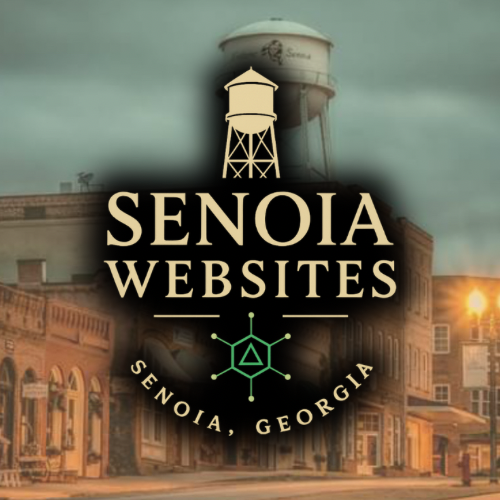
The History of Senoia, Georgia
From Native American Roots and the Legend of Princess Senoya, to a Thriving Modern Community Built on Culture, Film, and Economic Growth
Senoia, Georgia is more than a charming small town south of Atlanta — it carries centuries of heritage, storytelling, trade, and transformation. Anchored in Native lineage, layered with early settlement history, and revitalized through a global spotlight from film production, Senoia has evolved into one of the most distinct communities in the South Atlanta region.
Today, residential growth, tourism, commerce, and digital industry all converge here. But Senoia’s story begins long before storefronts, restaurants, and film crews.
Native Roots: The Legend of Princess Senoya
Many local historical references and regional traditions connect the town’s name to a Native American figure often referred to as Princess Senoya — believed to be linked to the Creek Nation that once inhabited this part of Georgia.
While the exact historical details vary across oral accounts, local narratives describe Senoya as a figure of dignity, diplomacy, and symbolic leadership.
Senoia’s earliest identity was influenced by:
- patterns of settlement
- regional trade routes
- land stewardship along river and watershed networks
- tribal community tradition and governance
Indigenous presence across Coweta and Fayette counties set environmental, social, and agricultural structures long before Senoia became an established municipality. Local waterways, timber areas, and ecosystems still reflect the earlier tribal imprint.
Naming the town after Princess Senoya became, in many interpretations, a lasting recognition of the region’s indigenous foundation.
Settlement and Early Town Formation
Through the 1800s, settlers arrived and the surrounding region slowly transitioned into a small but strategic rural center. Agricultural land, rail access, and proximity to trade routes positioned Senoia as a meaningful waypoint within Southern Georgia.
- Homes built by craftspeople
- Churches and civic centers established
- Local commerce forming around agriculture and small industry
Unlike industrial hubs, Senoia grew carefully and deliberately. Families rooted themselves here and community life shaped the soil of everyday living.
A Town Preserved in Time
One of Senoia’s defining characteristics is its preservation. Historic storefronts, Victorian-era homes, brickwork streetscapes, and traditional town grids were never heavily erased or replaced.
That authenticity — true Americana — later became Senoia’s greatest cultural and visual asset.
Film Comes to Senoia
How The Walking Dead Transformed a Quiet Town into a Global Landmark
When production companies scouted Georgia for towns that reflected traditional American atmosphere, Senoia’s untouched historic district stood apart.
Then came The Walking Dead — one of the most watched television series of its time.
For years, Senoia became:
- a filming center
- a tourism magnet
- a global pop-culture reference
- a local economic catalyst
Production activity infused millions into local business circulation:
- restaurants
- storefront retail
- lodging and rentals
- infrastructure improvements
- commercial revitalization
- international visitor tourism
Downtown buildings were restored, vacated spaces reopened, and Main Street re-activated with hospitality, retail, recreation, and entertainment.
What began as filming became cultural acceleration — and structural rebirth.
Tourism, Expansion & Community Investment
The surge in film tourism triggered a new era of development for Senoia:
- new commercial space and storefronts
- residential communities and suburban growth
- increased property values
- streetscape improvements
- entrepreneurship and new business formation
Local leadership protected architectural identity while creating frameworks for thoughtful development and business-friendly planning.
Senoia became a rare example of a historic city revitalized by film without losing artistic integrity or cultural character.
Senoia Today: One of the South’s Fastest-Emerging Communities
Modern Senoia is both historic and forward-moving. Families and businesses choose it for:
- quality of life
- proximity to Atlanta
- architectural preservation
- excellent schools
- southern cultural identity
- a highly walkable downtown
Boutique retail, fine dining, tourism, entertainment, and a film-centric downtown create a destination experience unlike any other in Coweta County.
The Next Chapter: Digital, Retail, and Local Commerce Growth
Senoia’s newest chapter includes a rise in innovation-driven sectors:
- digital technology
- finance and professional services
- film and entertainment
- creative studios
- design agencies
- modern manufacturing
Local operations now extend beyond storefronts and into online business ecosystems — where branding, digital presence, and performance-built websites shape competitive advantage across the Coweta County market.
Senoia is no longer only preserved history — it is an expanding regional economy.
A Heritage of Storytelling, Craftsmanship & Community Identity
From the legend of Princess Senoya, to early settlement patterns, to cinematic revival and tourism expansion, Senoia has evolved through every era while holding onto its cultural spine.
Senoia’s identity remains grounded in:
- heritage
- craftsmanship
- community
- creativity
- storytelling
Today, that same spirit continues into digital transformation, commerce, and long-term community planning.
Whether you walk its historic streets, tour filming landmarks, or invest in local business, one truth holds steady: Senoia is a city shaped by legacy — and built for growth.
Looking for professional website development in Senoia? Explore Senoia Websites, the local partner helping businesses grow through performance-driven web architecture built right here in Coweta County.